
Rebirth, at the risk of stating the obvious, is an experience that arises over and over in life. New job. New relationship. A decision to join a gym after years of procrastinating. Finding religion. Finding God (except not through organized religion). For example, finding God in the redwood forests.
Oh, wow, that’s me. Specifically, in Big Basin Redwoods State Park (and the glorious but smaller Henry Cowell State Park). For years—decades, actually—I’ve taken walks there on a weekly basis.
That is, until August 16, 2020.
Let’s shift the conversation to wildfires. Years back, most people were thinking, “Yeah, wildfires, that’s a California/Idaho/Montana/Wyoming thing.” Sadly, as the world heats up and dries out more, wildfires have become ubiquitous now. Canada, Australia, South America, Southern Europe. And the list, regrettably, keeps growing.
Wildfires, as too many people now know, are a terrifying phenomenon. They can steal your world overnight. It’s like the sudden, unexpected death of a loved one: one day they’re there and you don’t even think to question their presence in your life, and the next day, boom, gone.

In California, the dreaded “dry lightning” severe weather in late summer appears like an environmental Grim Reaper. All you need is a severe storm system passing through, where everything that could go bad, does. Unstable winds, picking up and shifting directions. No rain. Lightning strikes on parched grasses and trees. High temperatures, low humidity.
Such was the case in the early morning hours of August 16, 2020, a storm that produced over 10,000 lightning strikes, mere drops of rain and wind gusts reaching 70 miles per hour, a terrifying combination in the mountains. Over the course of the next 72 hours, smaller fires within the Santa Cruz Mountains merged to become the CZU Lightning Complex Fire. It tore southward through the mountains and swept through Boulder Creek, Bonny Doon and Ben Lomond, destroying 697 single-family homes. It burned down a whopping 97 percent of the 18,000 acres of Big Basin Redwoods State Park, home to an enormous wealth of old-growth Douglas firs and redwoods, many over 1000 years old and rising to 300 feet in height.
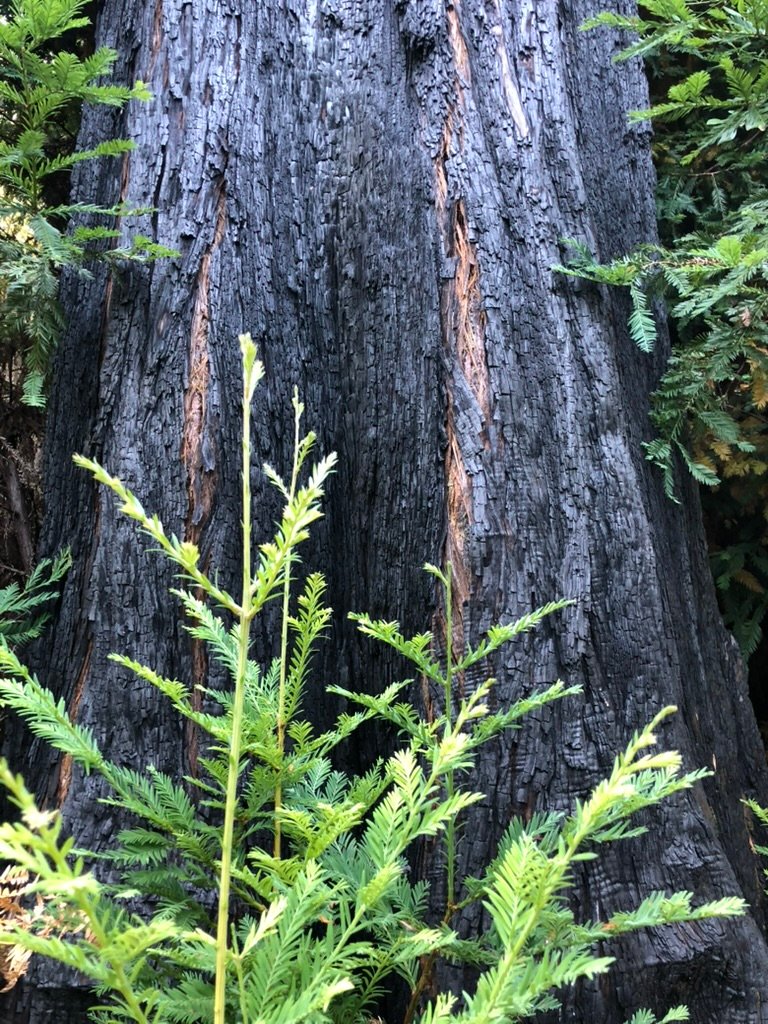
Douglas firs, just as majestic as the redwoods (although with half the lifespan), bear one crucial difference: they lack the thick, protective bark of the coastal redwoods. When they died in the 2020 CZU fire, they stayed dead. The park’s redwoods, however, survived the fire (albeit scorched and blackened), using specialized buds and burls to re-sprout green shoots directly from trunks and roots.
It didn’t happen immediately. For the first year, it looked like a war zone, with smoldering subterranean root balls still smoking in places through spring 2021…


Visitors were finally allowed back in the park in summer of 2022. I blogged about that experience HERE. Here’s what it looked like then …


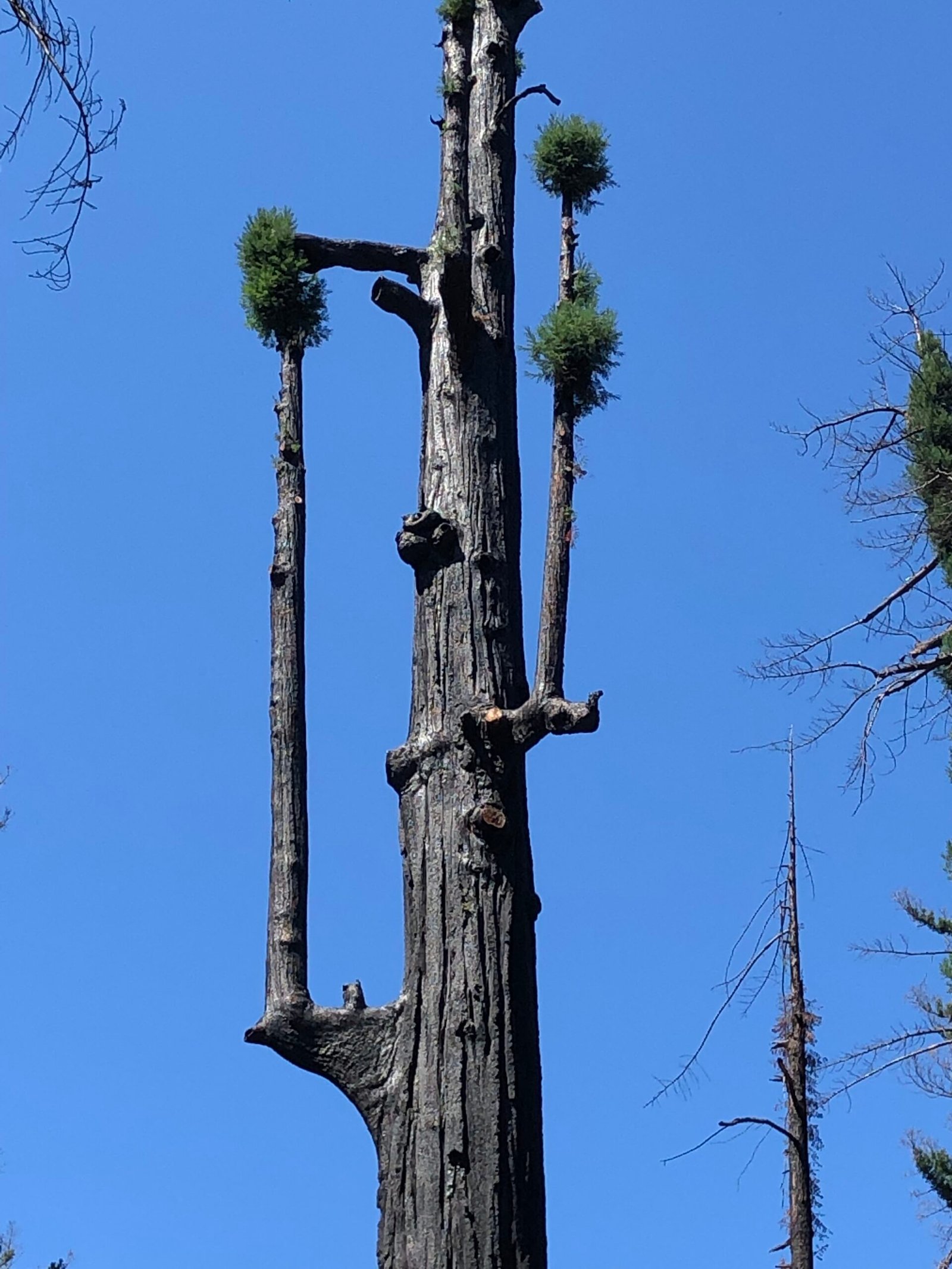
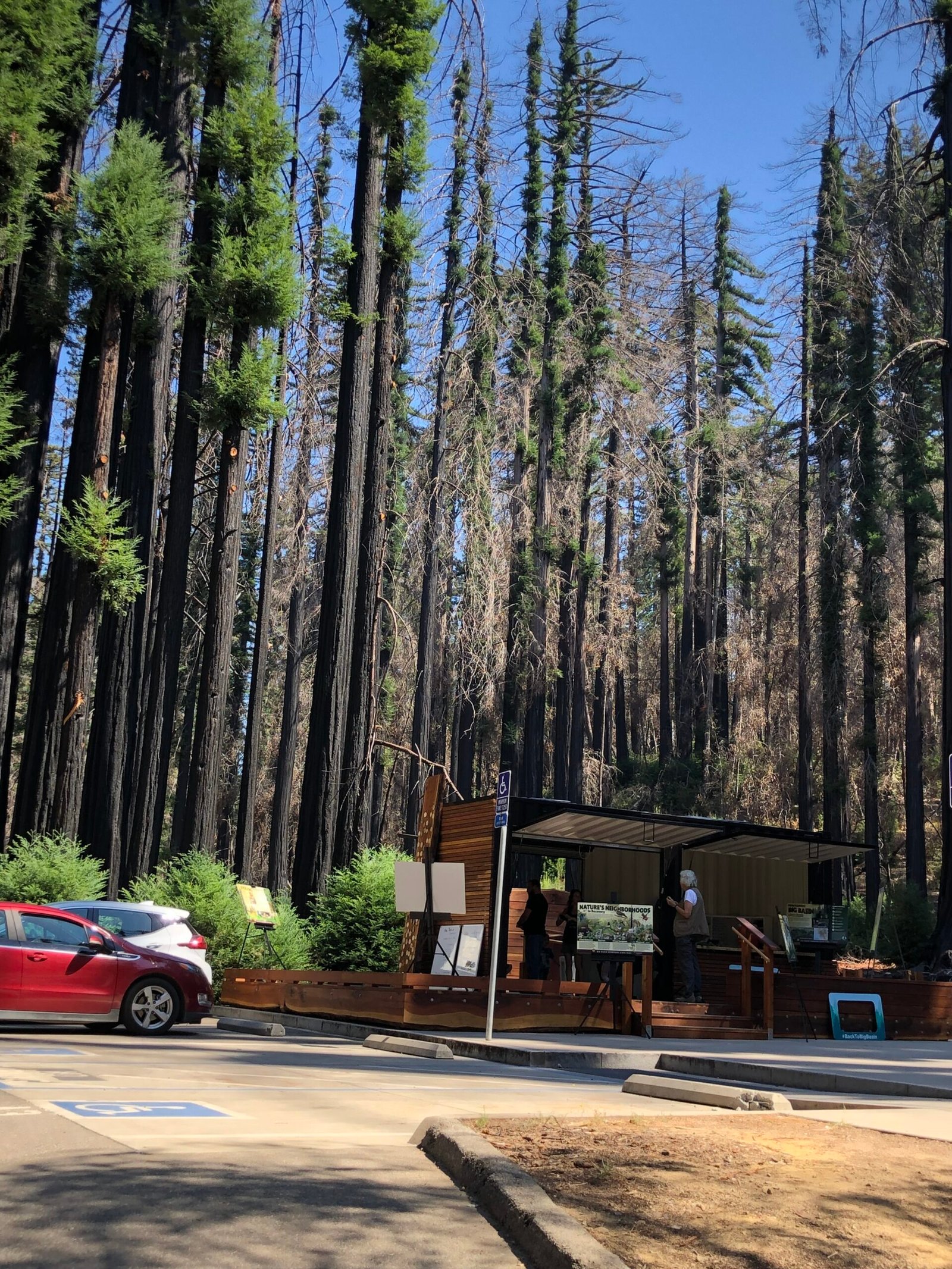
But now, in August 2026, it has become this…
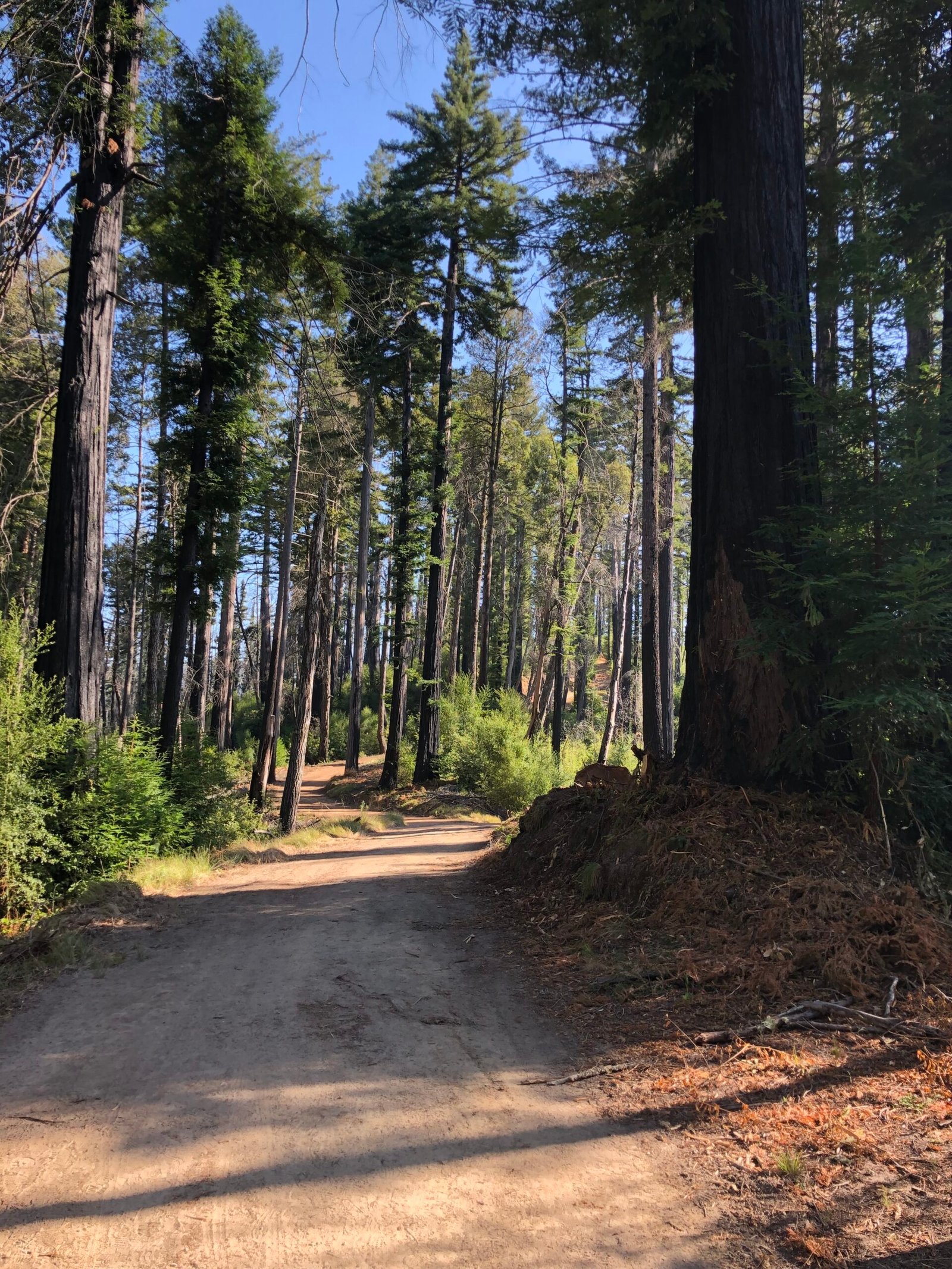
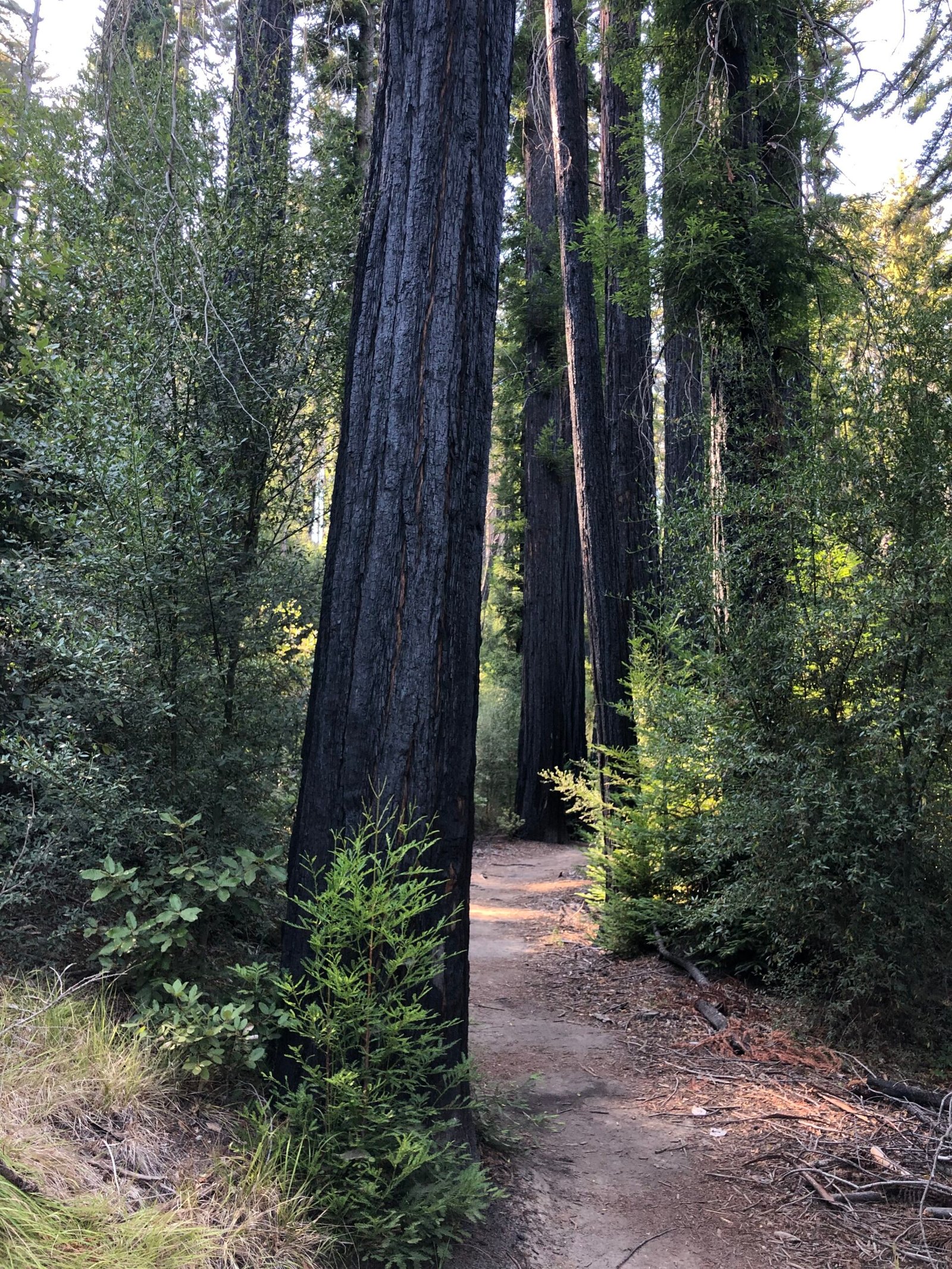
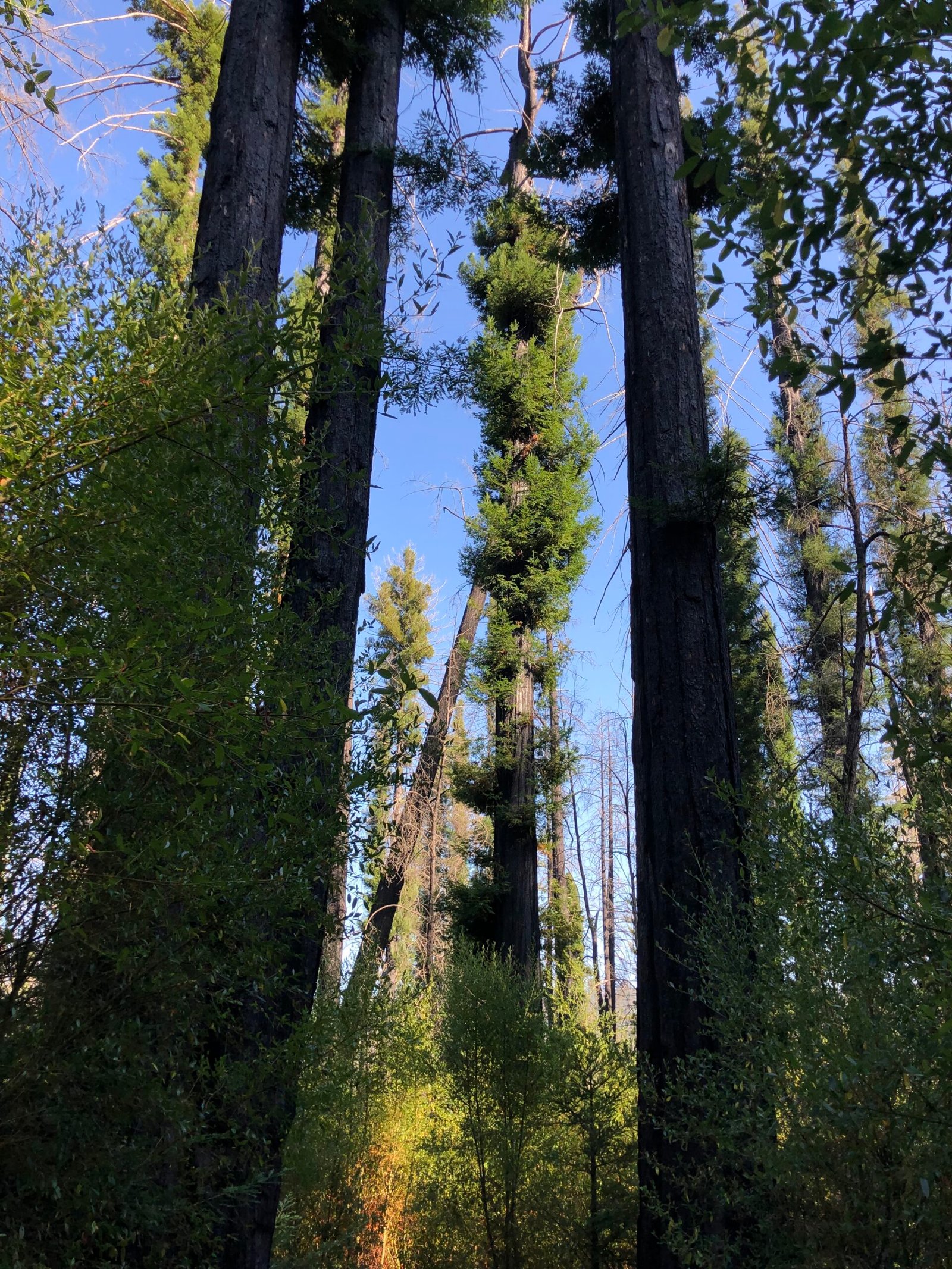
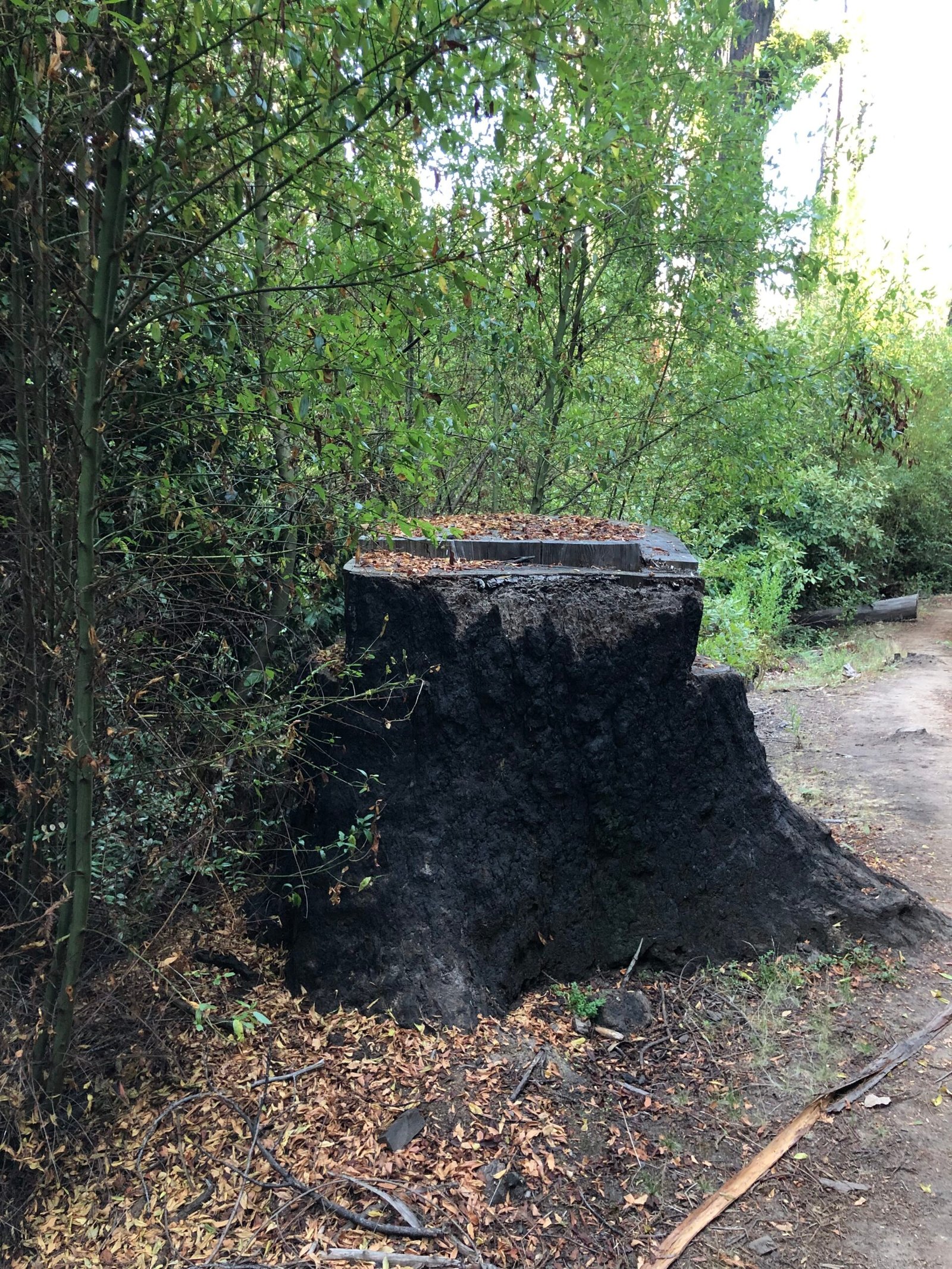
Destruction and death suck. There’s little comfort when it’s hit you in the face and destroyed your house, your land and landscape, the natural world around you. But it’s interesting to consider that survival and rebirth aren’t necessarily opposites of destruction, but instead, in the case of the redwoods, the response to it. The redwoods in Big Basin, the really old ones, have survived fires because of the mechanisms the fire itself triggered.
I find comfort in considering rebirth via re-sprouting. Take the redwood—whose Latin name, sequoia sempervirens, literally translates as “ever living” sequoia—which uses the same root system. You, as a redwood seedling, are not starting over as something new. You’re still you, just green again, in a different place on the same old trunk.
Tell you what. The next time life hands me a devastating loss, a shattering disappointment, I’m going to remember this: rebirth is what happens when the thing that should have killed you turns out only to have cleared some room for new growth.
Wow! Thank you for putting this together. It’s so amazing how regenerative nature is. And amazing what trees can do to survive such damage. Thanks for sharing this bit. It reawakened memories of our visit to Big Basin in years past.
I agree, Kathleen — it’s both amazing, and a comfort, how regenerative nature is. With each visit back to Big Basin State Park, I feel more comforted to see nature just doing its thing. Thanks for posting your thoughts!
I love Big Basin. I haven’t been back but I’m glad to hear it is now an option again.
Ooh, get yourself over there, JRupp! It’s amazing right now because there are so few people. I just know that five years from now, I’ll mourn the pristine, newly-born-after-the-fire feeling that’s there right now.