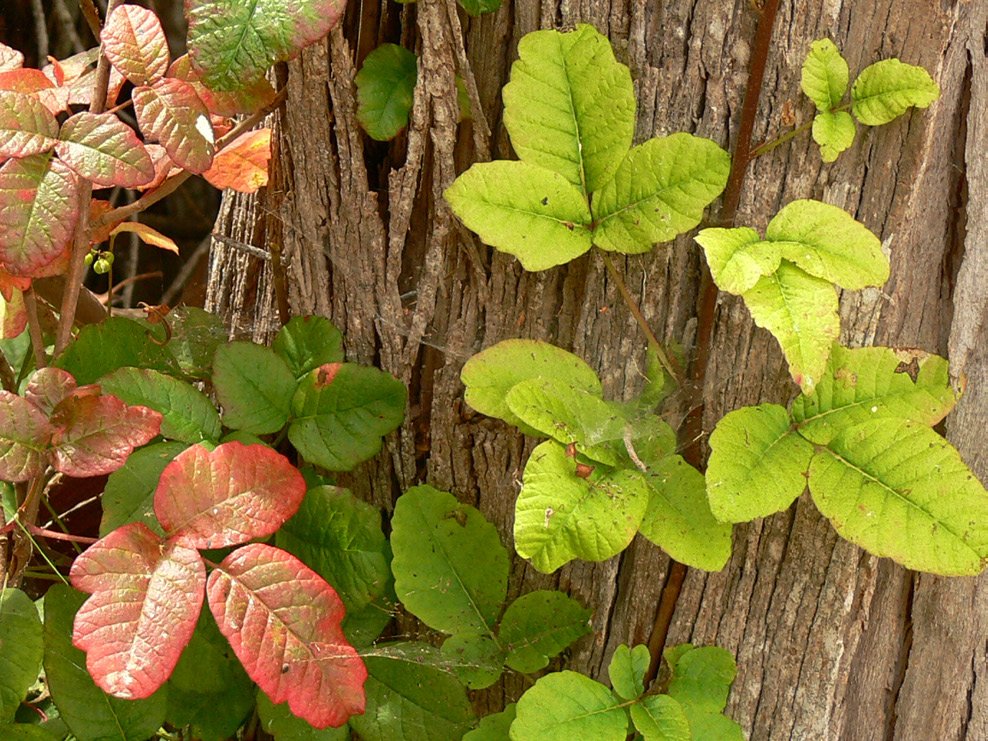
I know what you’re thinking. “It’s winter. It’s the dead of winter. We’re in the grips of the coldest of cold winter this week, and The Classical Girl is talking about … poison oak? She’s in the Northern Hemisphere, right?”
Turns out poison oak is a thing, any time of the year. Even in long-dead branches. Oh, the things I’ve learned in the past two weeks, dear reader, as our friend Mr. Poison Oak has led me down his path. Kind of like the Pied Piper and all those little children cluelessly running after him, thinking, “Hey, this is great music!” much in the way I was thinking “Hey, this is a great trail, deep in the redwoods, and I love the way there’s so much abundant nature all around me.”
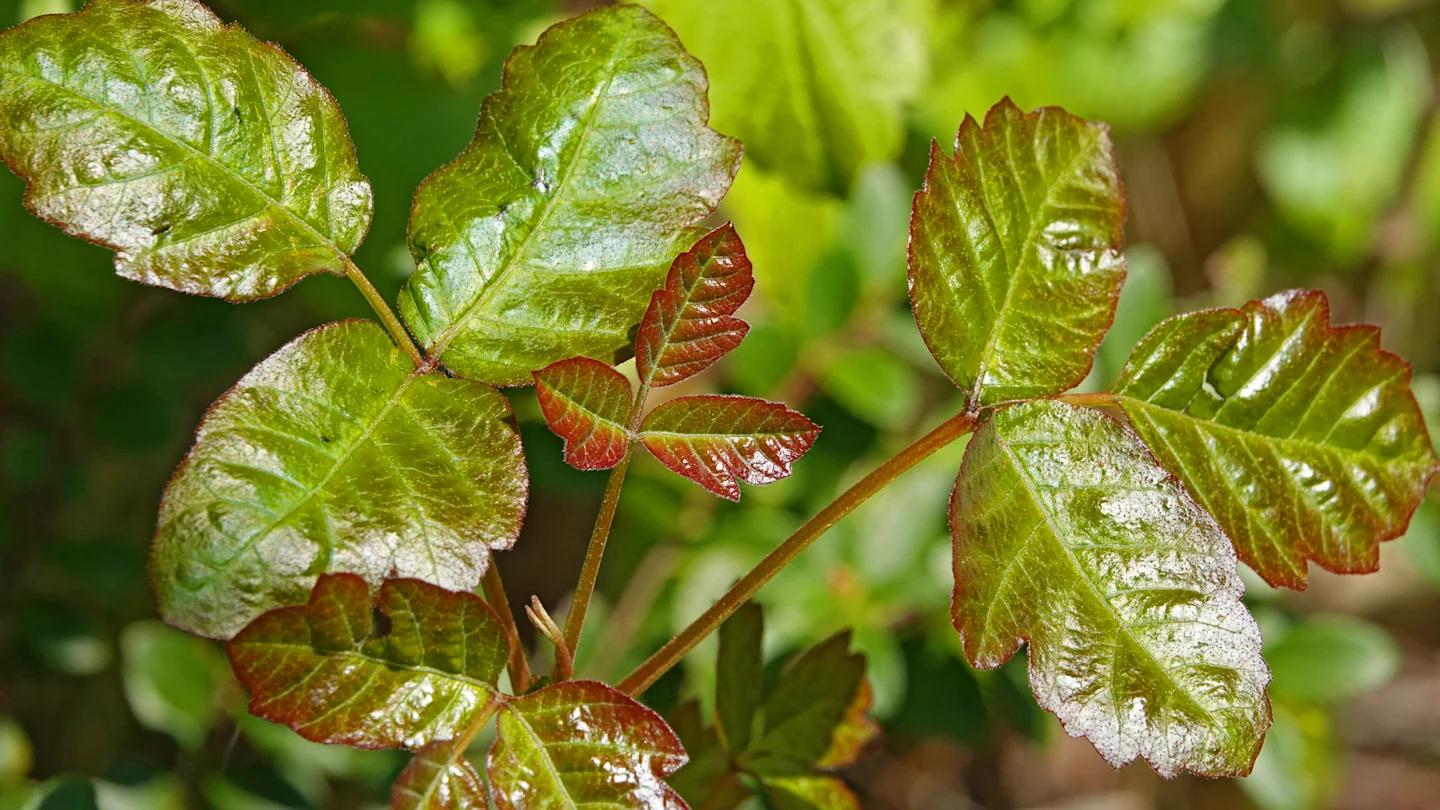
I was in heaven, a five-day private retreat in the redwoods. Mild California-winter weather allowed me to daily take hour-long walks on the Ben Lomond Quaker Center’s eighteen acres. I was also oblivious to the risk, something I’m ashamed to say as a resident of the Santa Cruz Mountains for over a quarter-century. I should have known better. So let’s start there, with a few “wish I’d known” facts regarding poison oak (and I imagine all of this applies to poison ivy, as it contains the same toxic oil, urushiol).
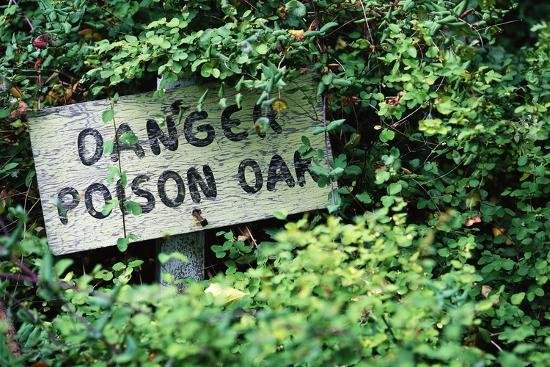
- In January, when autumn leaves have withered and buds have not yet appeared, the bare vines or sticks are just as toxic.
- When a downed leafy tree is blocking the trail you’re walking on, prompting you to climb over/under it, maybe don’t.
- When aforementioned downed tree is too big to climb over/under and you see the trail switches back ten yards ahead and you can resume your trail hike by simply walking through six feet of forest brush to reconnect, maybe don’t.
- When you’ve scrabbled in forest brush, never mind that you never saw the famed “leaves of three” anywhere, consider putting those clothes in a bag and not touching the bag again until retreat’s end, instead of rolling up your hoodie in a ball to wear the next day and the next, guaranteeing distribution of the urushiol all over the hoodie’s front and the neck, precisely the place your face smushes up against every time you put on that hoodie for the next three days.
In short, I never knew that I’d come into contact with poison oak. I finished my lovely retreat in serene oblivion and went back home, as always mourning the end of a peaceful, productive retreat, and hoping re-entry wouldn’t be very painful.
Re-entry was very painful.
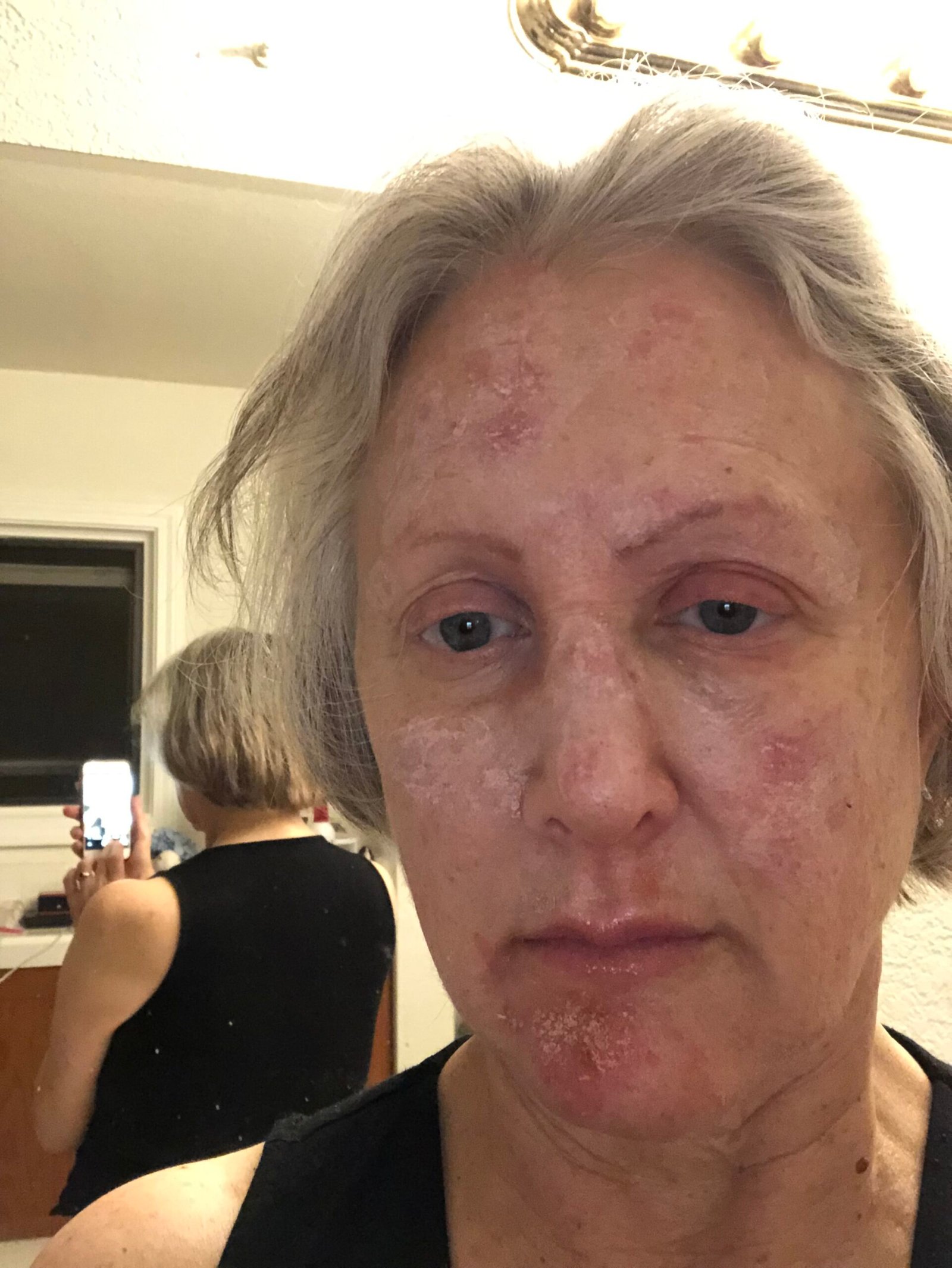
Here’s me 48 hours after my return. My facial swelling and swollen eye necessitated a visit to Urgent Care and resulted in a shot of prednisone (as they are inclined to do when your face and your eyes are involved).
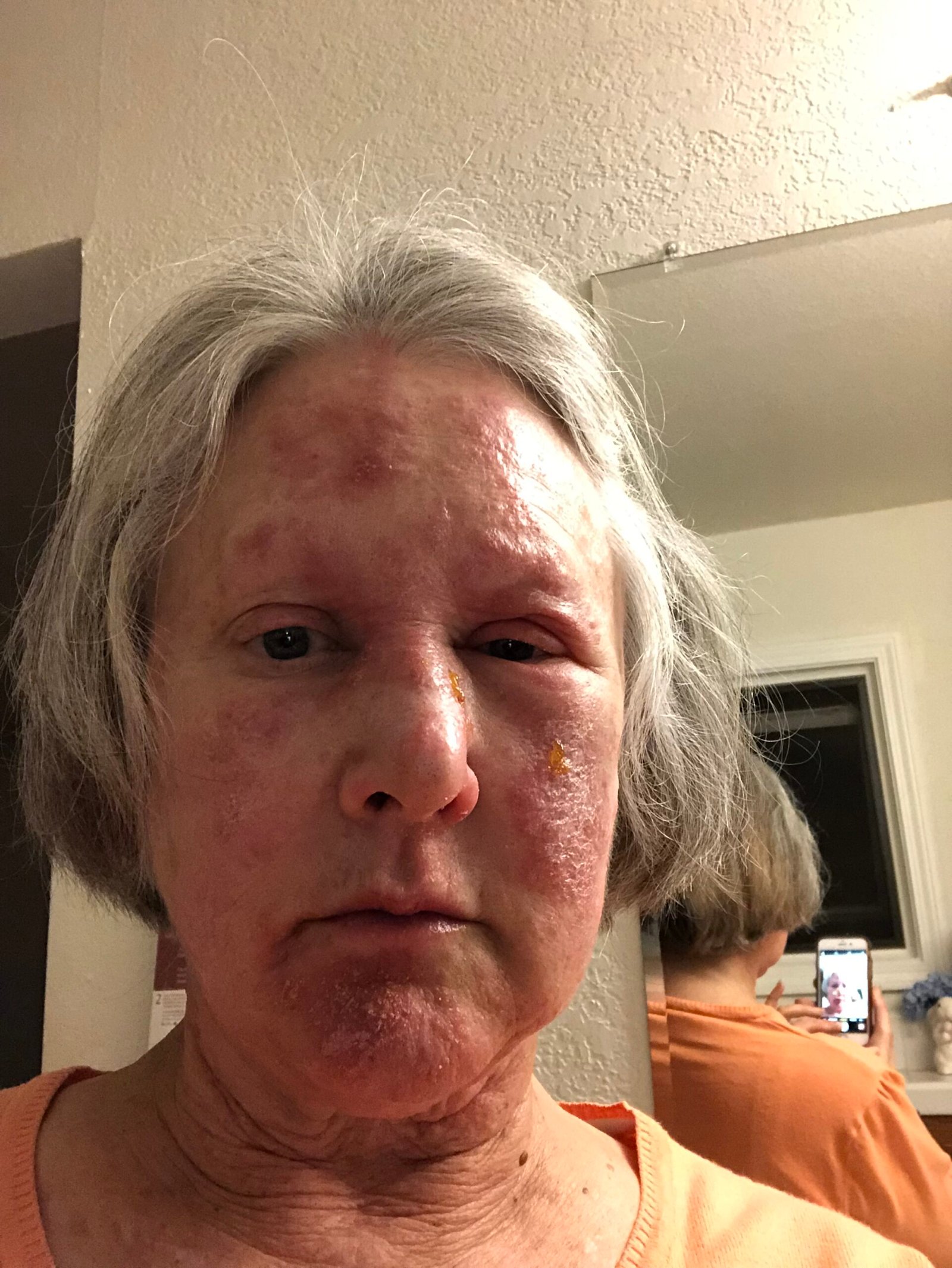
And three days after that, in spite of the prednisone.
 .
.
My cue to return to the doctor, this time my own doctor. She walked into the examining room where I was sitting in a miserable slump. She took one look at me, stopped short, and said, “Oh, boy.”
“Yes,” I told her. “Yeah. That.”
“How does it feel?”
“The way it looks.”
“Oh, dear.”
“Yes.”
“Maybe another round of prednisone. Oral, this time.”
“Yes. I think I’ll take that.”
I returned home, took my prednisone and soldiered on (calamine is my friend), waiting for the drugs to do their magic and for nature to follow its course. Out in public, I strove to not meet people’s gaze, understanding, when I did, that there are a lot more kind, tactful, sympathetic people out there in the world than I’d given the world credit for. And I have to say, this brought me some important insight, as well as a deeper sense of compassion for all the people in the world who suffer from any sort of facial disfigurement. My sister Maureen had half her face paralyzed from a craniotomy and tumor removal, that necessitated a severing of the facial nerve on one side. She had to have a tarsorrhaphy, a procedure that stitched one eye partially shut to avoid corneal damage until her blink reflex improved. My few days of an eye swollen nearly shut were nothing compared to her years of discomfort.
The face began to improve (calamine still is my friend), but I had one last hurdle.

Call it a Cinderella-goes-to-the-ball moment last Friday. My poison oak was showing real signs of subsiding, but was still stop-in-your-tracks noticeable. Meanwhile I had to go to the San Francisco Ballet for opening night of Eugene Onegin, a production I was slated to review for Bachtrack. It was opening night of the new season, to boot, meaning everyone gets dolled up and dressed to the nines. On impulse, I dropped in at my local pharmacy midday and bought a miracle cure (in that Cinderella-until-the-clock-strikes-midnight sort of way) for my reddened and blistered face, applying this foundation before driving up to San Francisco.
So this
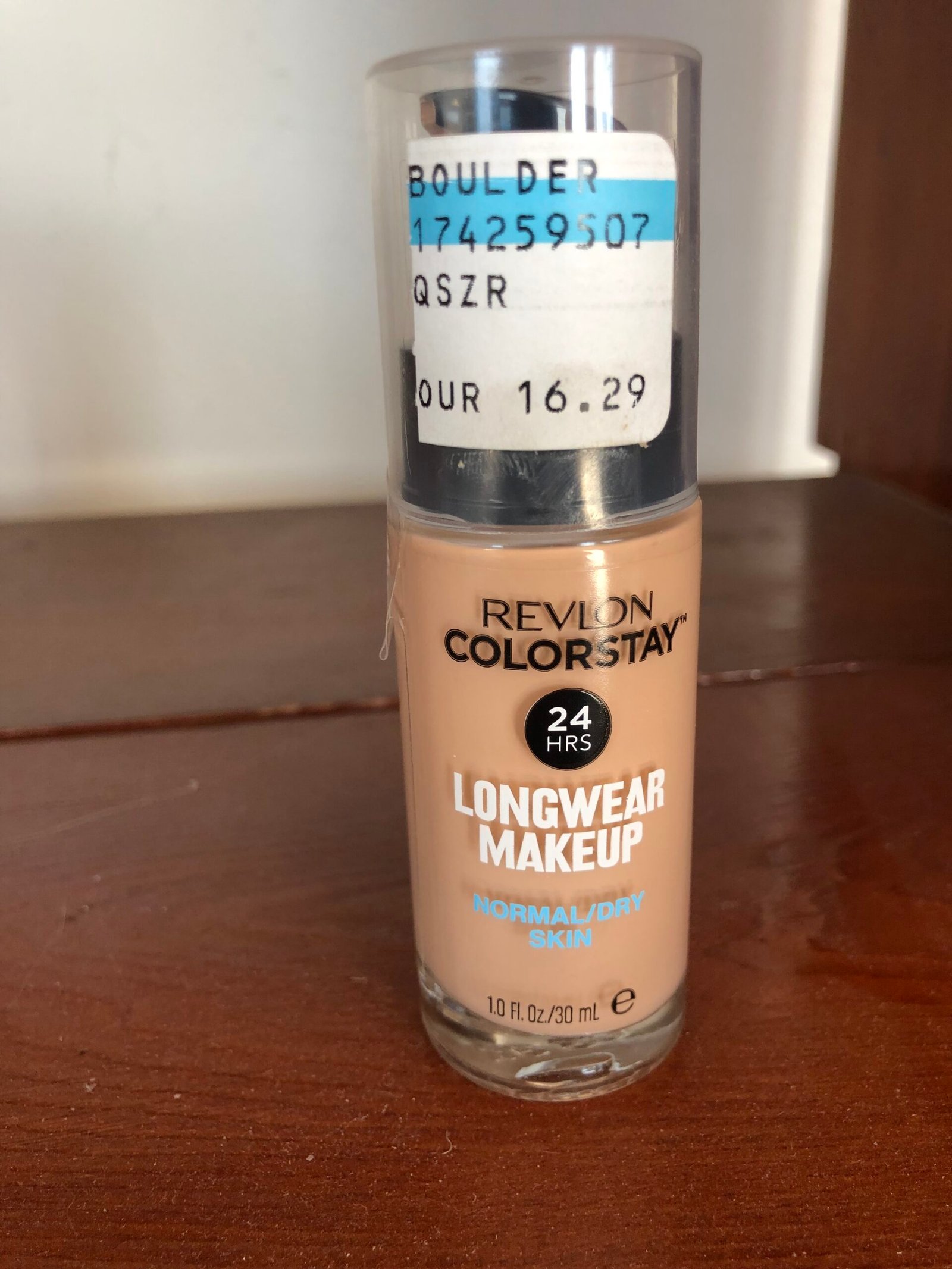
Plus this
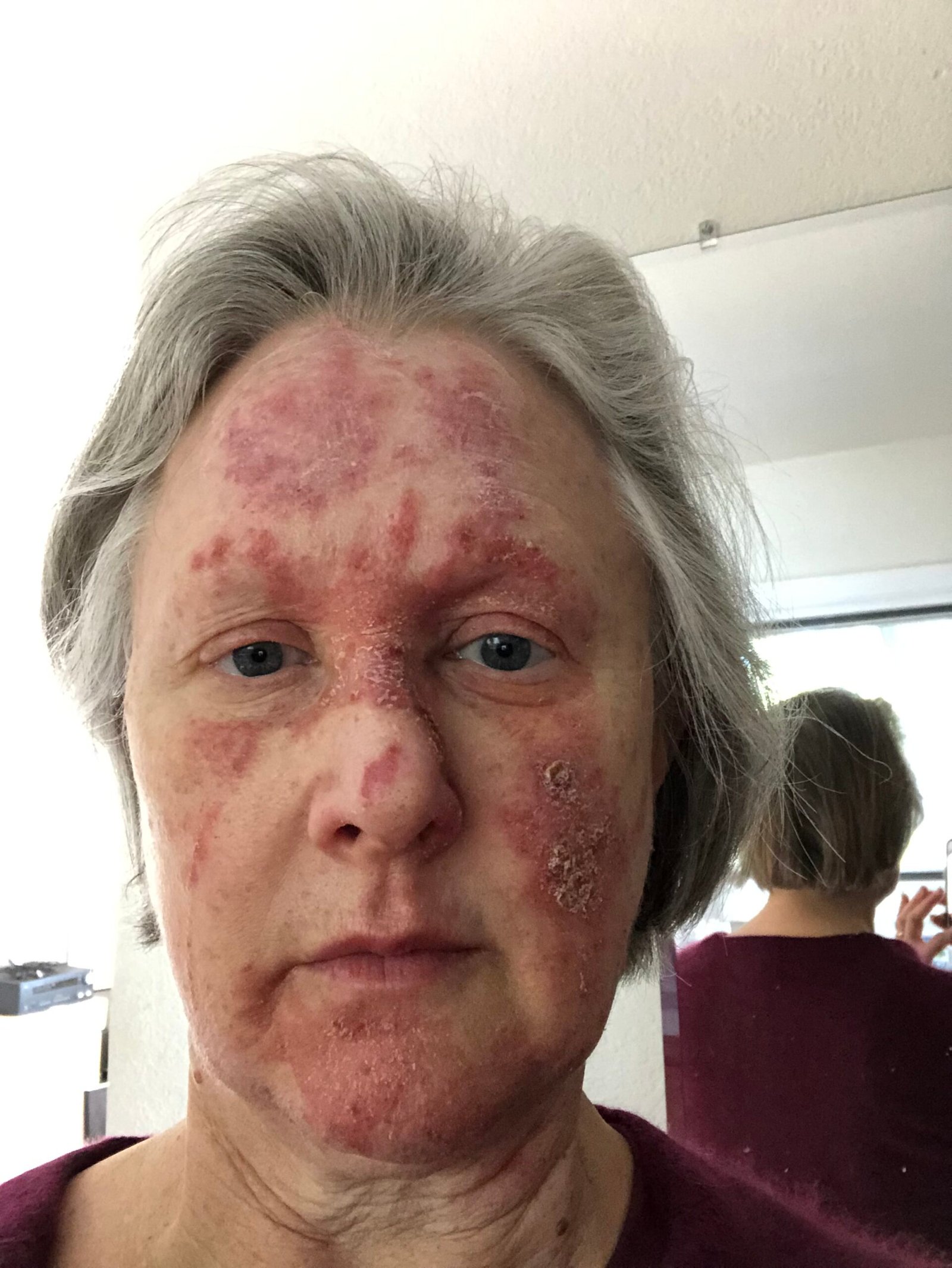
Equaled this, and I’m not exaggerating (thank you, Revlon!)

Like Cinderella before the ball, I had rules that needed to be obeyed. Don’t stand too close to anyone as you converse. Stay out of bright-bright lighting. Wear your prescription glasses instead of your contacts so as to direct the focus to something besides that bumpy face.
And you know what, dear reader? It worked.
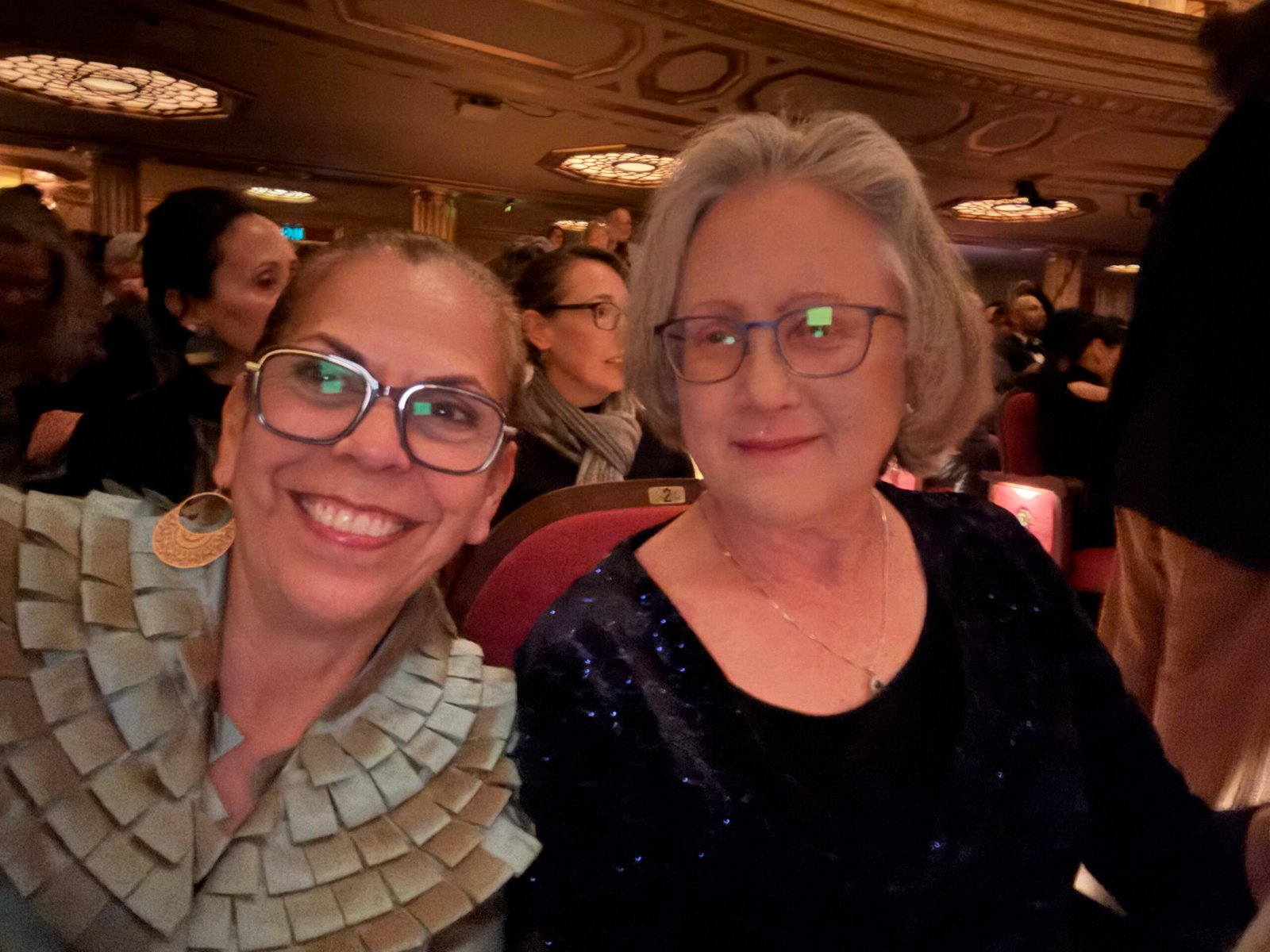
Call it a female thing (and it’s not vanity, just … self-awareness of how we look) but I have to say, I felt SO much better, being there and not wishing I’d had a bag over my head, amid so much loveliness all around me. True, my face felt very stiff from so much makeup — but it had with the swelling and blisters anyway — and I knew the foundation was too heavily applied. No matter. And at midnight, once I’d gotten home, back to non-ball Cinderella mode, where I had to wash my face over and over to get the stuff off, using a dozen paper towels to carefully blot everything dry, the poison oak was still there. Happy to report that the next day, there were no adverse effects for having covered my face with makeup all night.
The moral of this Cinderella tale is fourfold:
- Don’t do what I did
- But if you do, go ahead and do what else I did
- Love yourself for who you are beneath the surface
- Revlon is your friend (and so is calamine)
You poor thing; Way to hang in there! So glad you’re starting to feel better!
Thank you, MarySue!
Wow, what an incredible journey. And yet, still on the road to recovery. However, in my book, you are beautiful and always will be beautiful. As my bestest friend ever. Pray you hear super duper faster.I love you!!!
Aww, your comment gave me the warm fuzzies, Donna! Thank you. Big hugs.
That revlon really worked! So glad you found it and so glad you will never need to do it again, right?!
Ha ha, Kathleen, yes, the old “happens once, shame on you, happens twice, shame on me” adage. May I remain wiser in the future.
Terez – that was truly a Cinderella conversion! So glad you were able to cover up temporarily. Plus, knowing that your experience of facial disfiguration, no matter how temporary, has opened your heart and mind even more, warms my own heart. People are all the same inside. We all want to be seen for who we are and be loved.
Love you!
Wise, beautiful words, Annette!